
Horse racing betting is often seen as a game of chance, where punters place their bets based on whims or gut feelings. However, those who delve deeper into the world of horse racing betting will uncover a complex landscape of strategies, statistical analysis, and informed decision-making. This article aims to demystify horse racing betting and explore the various factors that bettors should consider before placing their wagers. For more information on local events, visit Horse Racing Betting Not on GamStop www.cosc-cumbria.org.uk.

Horse Racing: A Brief Overview
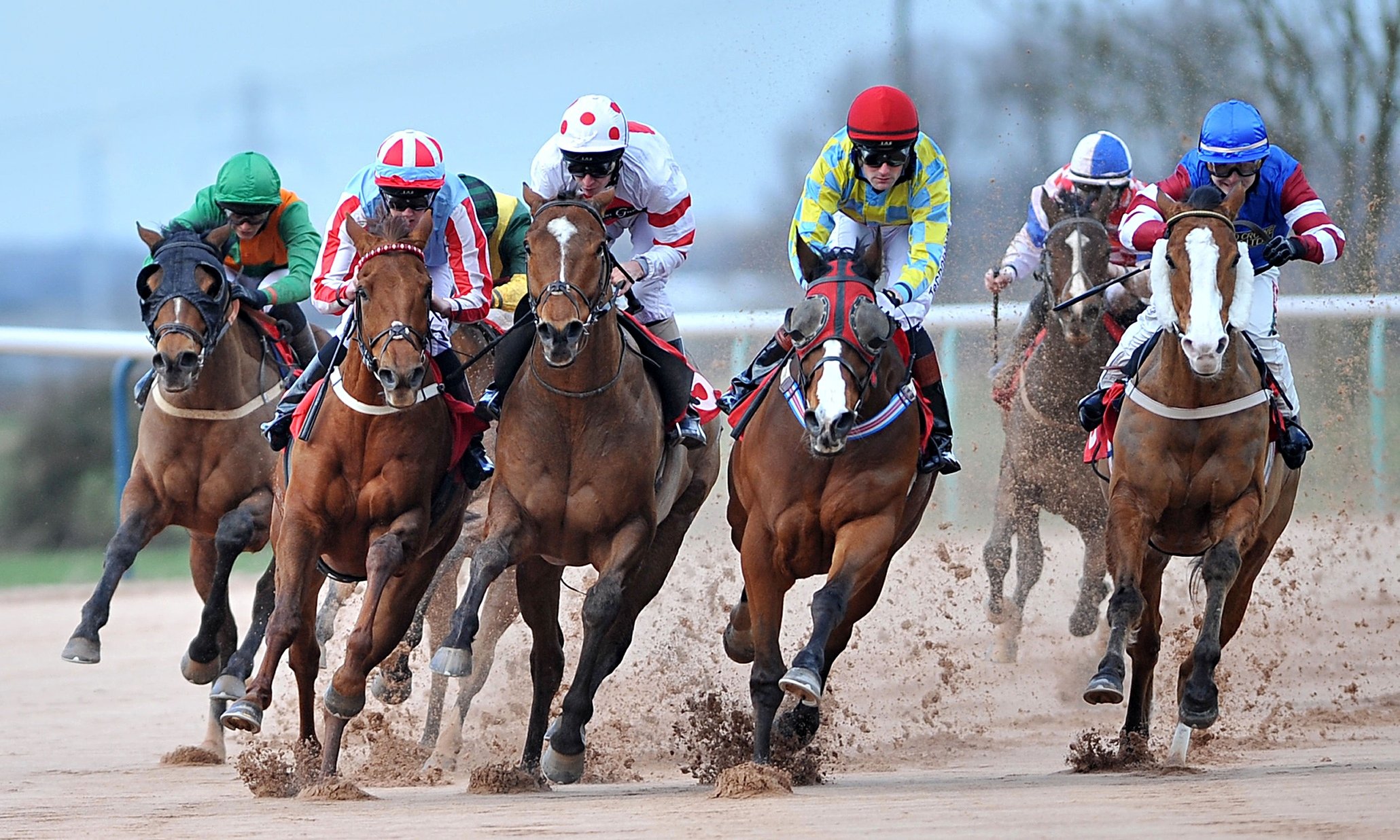
Horse racing, often referred to as the “Sport of Kings,” has a storied history that dates back thousands of years. It is a thrilling sport where competitors race horses around a track, and it has gained immense popularity worldwide. In many countries, horse racing is closely associated with gambling, and betting on races is considered a major entertainment activity. Understanding the basics of horse racing is crucial for anyone looking to place informed bets.
The Different Types of Horse Racing
There are several types of horse racing, each offering unique betting opportunities. The most common types include:
- Flat Racing: This is the most straightforward form of horse racing, where horses race over a level track without any obstacles.
- Jump Racing: Also known as National Hunt racing, this involves horses racing over a course that includes jumps and hurdles.
- Harness Racing: In this form, horses race while pulling a cart or sulky, and it is prevalent in some regions like the United States.
- Steeplechase: A variant of jump racing, steeplechase involves covering long distances with various obstacles.
Understanding Betting Options
Before placing a bet, it’s important to understand the various betting options available. Here are some common types of bets that can be placed on horse races:
- Win Bet: The simplest type of bet, where you wager on a horse to finish first.
- Place Bet: A wager on a horse to finish either first or second.
- Show Bet: A bet on a horse to finish in the top three positions.
- Exacta: A bet where you pick the first and second place horses in the correct order.
- Trifecta: Similar to an exacta, but you must select the top three finishers in the correct order.
- Superfecta: A more challenging bet where you select the first four finishers in the correct order.
Factors That Influence Horse Racing Outcomes
While luck plays a role in horse racing, several factors can significantly influence race outcomes. Bettors should take these into account:
1. Horse Form
The performance history of a horse, known as its “form,” is one of the most critical factors. Bettors should analyze a horse’s recent races, considering factors like finishing positions, race conditions, and competition.
2. Jockey Performance
The skill and experience of the jockey can also greatly affect a horse’s chances. Some jockeys have better records with specific horses, so it’s worth checking their statistics as well.
3. Track Conditions
Weather and track conditions can influence race outcomes significantly. Horses may perform better on dry or wet tracks depending on their individual preferences and past performances. Familiarity with the track can also be an advantage.
4. Trainer Influence
The trainer’s experience and success rate play a crucial role in preparing a horse for races. A good trainer will ensure the horse is in peak physical condition and strategically plan its racing schedule.
5. Post Position
The position from which a horse starts (its “post position”) can impact its chance of winning. Some positions are more favorable depending on the race type and track layout.
Strategies for Successful Betting
To approach horse racing betting successfully, consider these strategies:
1. Do Your Research
Knowledge is power. Take the time to research the horses, jockeys, trainers, and track conditions before placing a bet. Many resources, including online databases, provide detailed statistics.
2. Bankroll Management
Establishing a budget for betting is crucial. Never bet more than you can afford to lose, and consider using a staking plan to manage your bankroll effectively.
3. Bet on Value
Look for betting opportunities where the odds offered are higher than the actual chances of a horse winning. Finding value bets can maximize your potential returns.
4. Diversify Your Bets
Instead of placing all your bets on one horse, consider spreading your bets across different races and types of bets. This can minimize losses and increase your chances of winning.
5. Keep Emotions in Check
It’s easy to get caught up in the excitement of racing, but making emotional decisions can lead to losses. Always stick to your strategy and remain disciplined.
Conclusion
Horse racing betting is far more intricate than it may first appear. It requires a combination of knowledge, strategy, and analysis to be successful. By understanding the factors that influence outcomes and employing sound betting strategies, you can enhance your betting experience and potentially increase your earnings. As you navigate the thrilling world of horse racing, remember that while luck can play a role, informed decisions will always be your best bet.
Whether you’re a novice gambler or a seasoned bettor, the key to success in horse racing betting lies in research, patience, and strategic thinking. So saddle up, embrace the excitement, and enjoy the ride!