

Revolutionizing Fashion: The Clothes Remover AI Tool
In an increasingly digital age, artificial intelligence is making remarkable strides across various sectors. One of the intriguing innovations to emerge is the clothes remover ai tool https://aiclothesremover.app/. This tool is set to transform not only how fashion is perceived.
The intersection of technology and clothing design is reshaping the industry, prompting discussions about its implications. It’s important to delve into what this tool does and how it’s altering perspectives and practices in fashion.
The Mechanism Behind the Tool
The Clothes Remover AI Tool employs cutting-edge algorithms to analyze and modify images. By using deep learning techniques, the tool can accurately identify clothing items within visual content and manipulate photos accordingly. This technology usually employs a neural network model trained on vast datasets containing images of people in various outfits and states of undress. The model essentially learns to differentiate between clothing and skin tones, resulting in a refined ability to remove or alter clothing in the digital realm.
Applications in Fashion
As the name suggests, the primary application of the Clothes Remover AI Tool lies in the fashion industry. Designers and brands can utilize this technology to develop clothing prototypes without the need for physical samples. By visualizing how certain fabrics and designs will look on the human form, designers can save substantial time and resources traditionally spent on sampling.
Additionally, e-commerce platforms can incorporate this technology to enhance user experience. Shoppers can see how clothing would look without trying it on, allowing for better purchasing decisions. Augmented reality combined with this AI capability can provide more immersive experiences. It makes online shopping more interactive, reducing the uncertainty that comes with online purchases.
Benefits of the Technology
The benefits of the Clothes Remover AI Tool are manifold. Firstly, it fosters creativity among fashion designers, who can experiment with various designs with ease. It grants them a unique platform to visualize their concepts without the logistical challenges of physical exhibitions. Secondly, it has the potential to significantly reduce waste in the fashion industry. By enabling virtual sampling, there is less need for physical prototypes, which often end up discarded. With sustainability at the forefront of fashion, this application could contribute to more ethical practices.
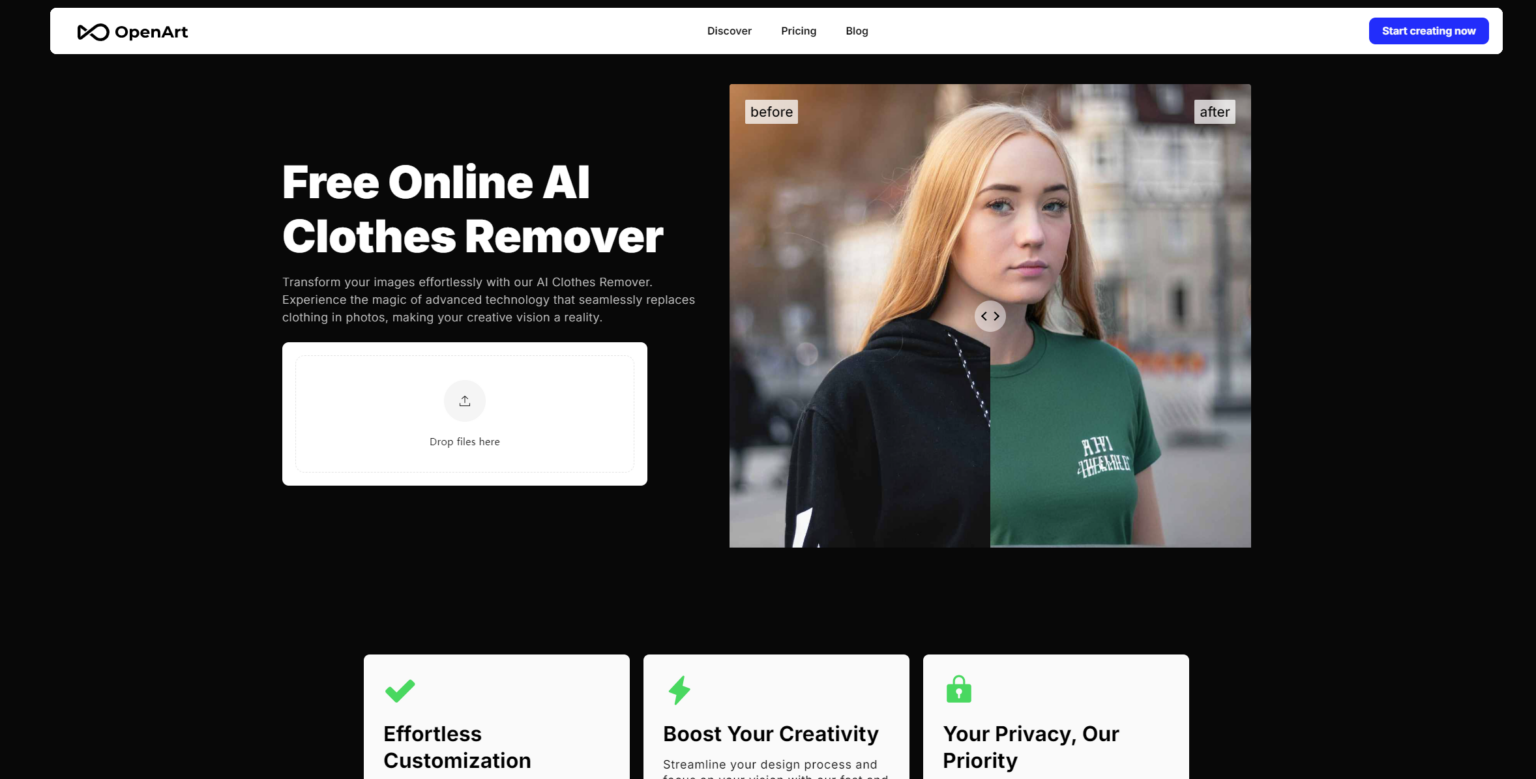
It also assists individuals in making better style choices. Fashion enthusiasts and everyday consumers can explore clothing options and styles tailored to their preferences. The AI technology acts as a personalized stylist, guiding users through the myriad of choices available in a compact digital format.
Ethical Considerations and Controversies
Nevertheless, the advent of the Clothes Remover AI Tool raises important ethical questions. Issues surrounding privacy, consent, and the potential for misuse are paramount. The ability to alter images can lead to misleading representations that affect self-image, particularly among young and impressionable audiences. It is crucial for users and developers to navigate these concerns carefully, ensuring that such technology does not contribute to a culture of unrealistic beauty standards.
Another potential controversy is related to copyright and ownership. As images are altered and styled with this technology, questions arise regarding who owns the modified content—the original creator, the AI developer, or the user? These discussions are imperative as the technology becomes mainstream.
The Future of AI in Fashion
Looking ahead, the integration of AI tools like the Clothes Remover AI Tool in the fashion industry seems promising. The scope of application might broaden over time, with AI not only transforming how consumers shop but also how designers create. With continuous advancements in AI, we might see tools that not only remove clothing but also suggest styles based on an individual’s unique preferences, body type, and current fashion trends.
Furthermore, as AI continues evolving, the fashion industry may experience transformative changes, including more personalized shopping experiences that cater to individual tastes, advances in design processes, and even AI-driven clothing manufacturing. The future holds exciting possibilities as fashion begins to interlace more intricately with technological advancements.
Conclusion
The Clothes Remover AI Tool exemplifies the intersection of technology and fashion, showcasing how AI can enhance creativity and influence consumer behavior. With numerous benefits and the potential for innovation, this tool, and others like it could be vital in shaping the future of the fashion industry. However, as with all technological advancements, it is essential to approach these tools with a critical eye, ensuring ethical considerations are placed at the forefront of their development and usage. As society embraces this tool, ongoing discussions surrounding privacy, representation, and personal empowerment will remain key to harnessing the positive potential of AI in the fashion world.